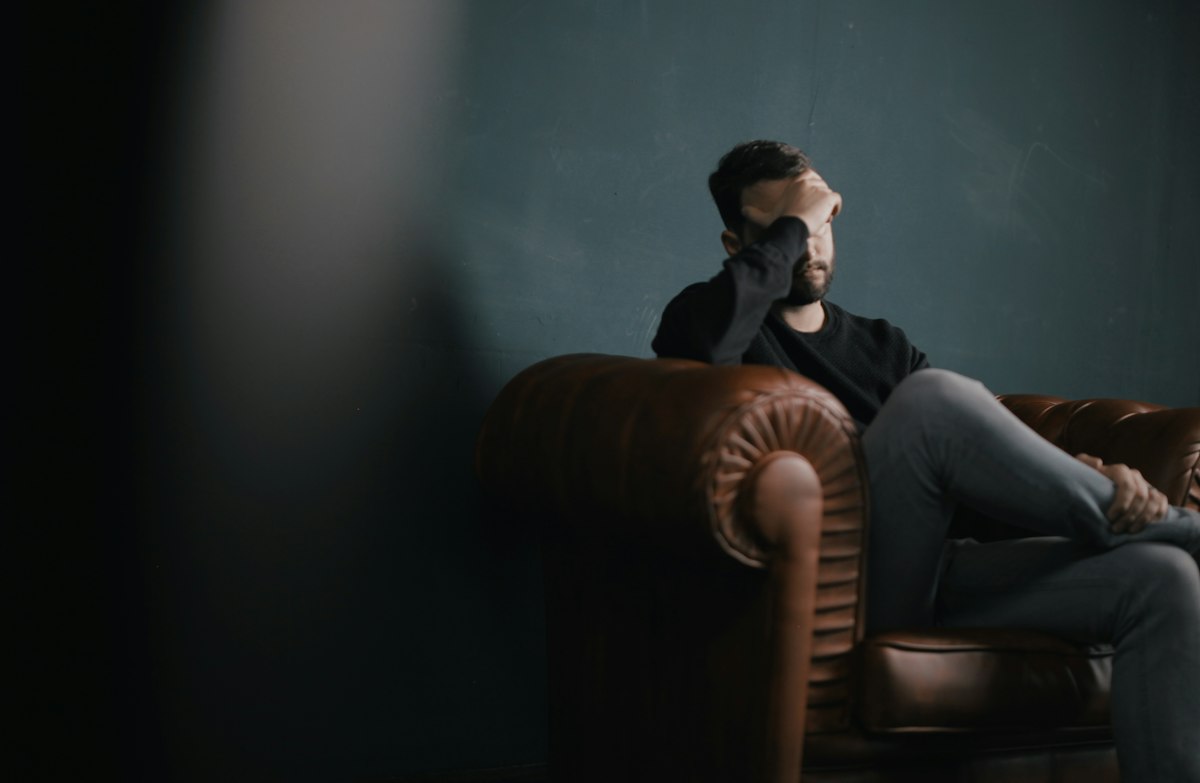
There is a question we do not ask often enough: what happens when a person is expected to be strong in their circumstances that constantly give them reasons to break?
In Nigeria, young people are often told to be strong. We are told to keep going, to pray to work harder and be strong and to have faith that things will work themselves out. These messages come from those who care about us. But behind a young person's smile, is a struggle that nobody sees
A student is worried, about school fees while trying to focus in class. A young person is desperately looking for chances because he fears what unemployment might bring in his future. Another is struggling with insecurity, family issues, discrimination, poverty or the pressure to succeed.But when the weight gets too heavy and that person begins to struggle emotionally, then society can say "be strong". But what if strength is not the only thing they need?
The problem with mental health, is that it is often seen as a private matter, something that belongs inside an individual's mind and should be solved by personal strength. There is certainly a personal component to mental health, people have varied experiences, coping mechanisms and responsibilities, and seeking help when struggling is important. But, people's mental wellbeing does not exist in a vacuum. It is part of the world in which we live.
For many young Nigerians, the conditions surrounding their lives can affect their mental wellbeing. Poverty, insecurity, unemployment, educational pressure, discrimination, violence, social expectations and lack of access to support can make ordinary worries, overwhelming burdens.
This is why the mental health of individuals cannot be considered only from their individual perspective but also as a human rights issue.
Human rights are not only matters for court proceedings, but they embody the ideal that people can live freely and fairly in society.The right to health, education and decent work, freedom from discrimination and violence and participation in society.
Consider a young Nigerian who wants an education, but is constantly worried that they can afford to continue with it. A graduate who has invested a lot of their time and effort into studies but has no job prospects to show their return on investment. Consider a young person living in constant fear due to insecurity. Consider a girl who is having their opportunities limited because of what is expected from them as a female. These are not just thoughts happening inside an individual's mind, they are experiences that are partly shaped by the world around them.
But, personal responsibility should not be an excuse for social neglect.
Sometimes we, as a society, use language that reflects our negative attitude towards mental health.
We tell people, “Stop thinking about it,” “be strong,” “get over it,” or “well, other people have it worse.” We think that if they would only pray more, or be more disciplined, or tougher, then it would all go away. Encouragement, faith and fortitude can often be very powerful things, but there are times when it is not the right thing to say. But telling someone to endure should not be the same thing as giving support
A person should not need to be superhumanly strong, because the systems around them are failing to give them the support they need.
There is the added problem of stigma, in many communities physical illness is easier to talk about than emotional or psychological distress.
If a person is physically unwell, he can be encouraged to go to the hospital, but someone experiencing emotional difficulties, is told that they are weak, dramatic and just thinking too much.As a result some young people have learned how to hide their struggles.
They smile when they are hurting. They laugh when they feel sad. They say everything is okay when it is not. They go to class go to work talk to friends and share pictures on media. All the while they carry a burden that no one sees.
The Nigerian context is important here. Young people, in Nigeria are growing up in a society where many pressures come together. Academic standards can be very demanding. That can cause stress. Economic struggles make the future feel uncertain. There is pressure to succeed from families, friends and even social media. Some face gender-based discrimination or violence. Others deal with insecurity and poverty every day. These challenges shape how young people live and how they choose to hide their pain. But what should be consistent for all these young people is that a young person should not have to suffer in silence to something that society decided was a private matter.
If we want to take peoples mental health seriously support needs to be available before a crisis gets too hard to handle. Schools and universities can create private areas where students can get help. Communities can discuss health without shame. Health systems can make good mental-health support easier to find and get. Families can try to listen without blaming. Governments and organizations also need to do their part.
Laws that deal with education, jobs, money problems, violence, unfair treatment and protection, for people are connected to the happiness of people. The place where we live can affect whether we have a chance to live an respectful life.
Most importantly, young people should not be just spoken about, they should be listened to
If we want young people to carry on building the future, their experiences should impact on decisions that affect their present. They should have chances to take part to talk about the challenges they meet and to help build solutions.
Mental-health policies must not be made for young people. Young people should also have ways to help shape them.
We should create a world where people do not have to suffer their struggles alone or in lack of basic things that will allow them to live with dignity.
Perhaps the most important change is the question that we should ask. Instead of asking just "why can't this person cope?" we should sometimes ask "what conditions are making it so difficult for this person to cope?"
That question should not take away personal responsibility, it should expand it.
Mental health deserves professional care, personal attention and compassion, but it deserves something more, it deserves recognition that people's wellbeing is connected to the rights they can enjoy and the society in which they live
A young person who is struggling is not just a problem to be fixed, but a human being with dignity, rights, hopes and a future.
We want young people to be mentally well, but we cannot just teach them how to survive difficult circumstances, we should work for circumstances in which they have a fair opportunity to live, learn, work, participate and hope.
Because sometimes, the most compassionate question is not "what is wrong with you?", it is "What has happened around you, and what can we do to make things better?”